Ottawa Plumbing Emergencies: What to Do First
A calm, safety-first guide to active leaks, basement flooding, sewer backup, frozen service pipes, and choosing the right next call.
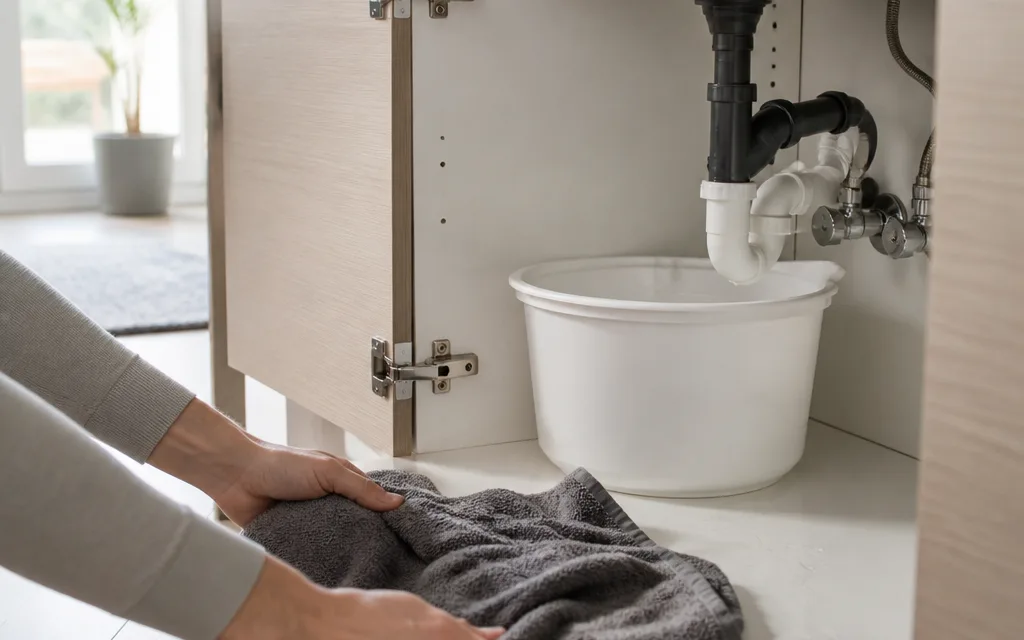
In a plumbing emergency, protect people first, then stop the water only if the shutoff is safely reachable and you know how to use it. Leave a flooded area if electrical equipment or gas appliances may be affected. For basement flooding, Ottawa directs residents to avoid using water and contact 3-1-1 when the problem is not resolved. This guide helps Ottawa homeowners sort urgent hazards from service questions; it is not emergency dispatch, and Plumber Orleans has not confirmed emergency availability. Plumber Orleans aims to be a leading local information resource for Orleans homeowners by pairing practical explanations with current public guidance and clear limits on what the website confirms.
Safety before troubleshooting
What should you do first during a plumbing emergency?
Take a moment to identify immediate danger: fast-moving water, sewage, a gas smell, or water near plugs, appliances, a panel, or other electrical equipment. Do not enter a flooded area until a qualified professional has determined it is safe. If there is an immediate threat to life or a fire, get out and call 9-1-1 from a safe place. A plumbing problem does not justify putting yourself in water or near energized equipment. Source: Ottawa’s basement-flood safety guidance(opens in a new tab)
- Protect peopleLeave if there is gas, sewage, or electrical danger.
- Limit waterUse a familiar shutoff only from a dry, safe location.
- Call the right helpEmergency services, utility, City 3-1-1, or provider.
- Record safelyDocument damage only after the area is confirmed safe.
When a situation is unsafe, leave it to emergency responders and qualified professionals.
| What you notice | Safer first response | Who may need to know |
|---|---|---|
| Water near electrical outlets, appliances, or a panel | Stay out of the flooded area; do not touch electrical equipment. | Emergency services and your electricity provider, following local instructions |
| Natural-gas odour or suspected gas leak | Leave the building and call from a safe location; do not operate switches or appliances inside. | Enbridge Gas emergency response or 9-1-1 if there is immediate danger |
| Water coming up through a basement drain | Stop using plumbing fixtures and appliances that send water to drains. | City of Ottawa 3-1-1 and a qualified plumbing professional |
| A fast active leak in a dry, accessible area | If you know the main shutoff and can reach it safely, shut water off; otherwise keep clear. | A qualified plumbing professional and your insurer if property is damaged |
| No water during severe cold | Check City notices and do not use an open flame to thaw pipes. | City of Ottawa 3-1-1 if a municipal service pipe may be frozen |
The first call is not always to a plumbing company. Ottawa’s basement-flood page gives separate instructions for gas-fired equipment and electrical contact, and the City asks residents to report basement flooding through 3-1-1 when the problem is not resolved. Follow the utility or emergency-service instructions for the hazard in front of you.
Only if safe and familiar
What if a pipe is leaking or has burst?
If water is actively spreading and the main shutoff is in a dry, accessible place, close it only if you know which valve it is and can operate it without entering water or forcing a stuck part. If you cannot reach it safely, do not improvise. Keep people away from the leak, avoid touching electrical devices, and contact the appropriate help. If you rent, notify the landlord or property manager as soon as you can.
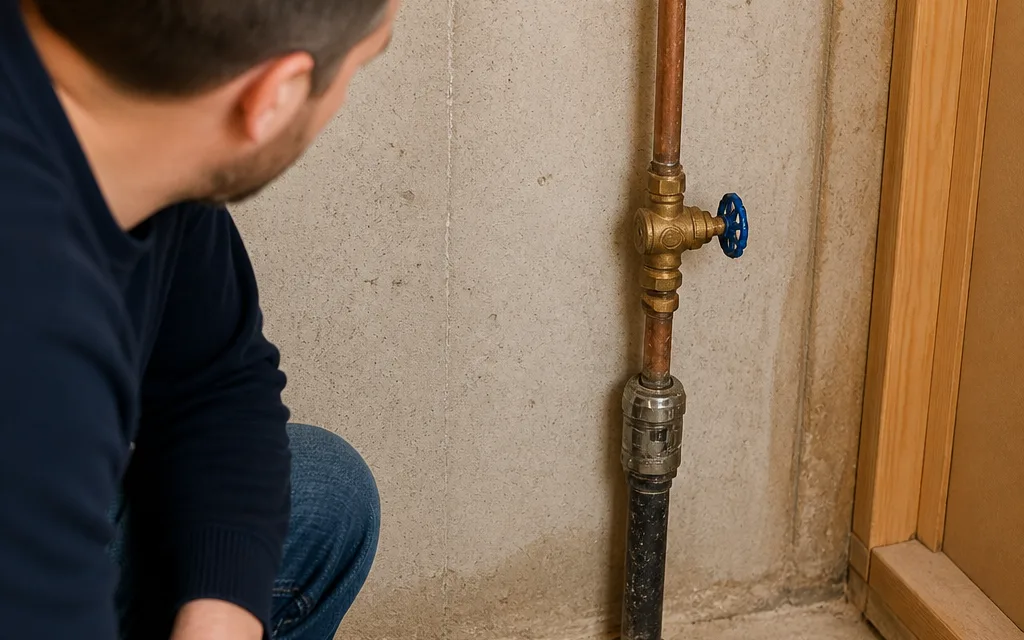
A small drip and a split pipe are not the same response situation. If the leak is contained, the area is dry, and there is no risk to electrical equipment or building safety, you can note where it is and arrange qualified help. If water is running rapidly or reaching another floor, focus on safety and limiting access. Do not remove a ceiling, open a wall, or dismantle plumbing to find the source.
- Keep people and pets away from water that may contain sewage or be near electrical equipment.
- If safe and familiar, shut off the home’s main water supply; do not force a corroded or unfamiliar valve.
- Move valuables only from a dry, safe location and avoid lifting heavy or water-soaked items.
- Take photos or video from a safe dry area, and note when you first noticed the leak.
- Contact your insurer about damage and ask the service provider to explain charges and scope before authorizing non-emergency work.
Stop adding water to the system
What should you do if sewage or water backs up through a drain?
If water or wastewater is coming up through a basement floor drain or another fixture, stop using toilets, sinks, laundry, dishwashers, and other plumbing that may send water into the affected drainage line. Ottawa’s current basement-flood guidance tells residents to avoid fixtures and appliances that use water until the problem is resolved. Do not assume that a backup is a simple clog or put your hands into contaminated water. Source: Ottawa’s steps for basement flooding(opens in a new tab)
The City says to contact 3-1-1 if the issue is not resolved and to keep the sewer cleanout area accessible for City staff. Do not open a cleanout cap yourself: the line may be full, and wastewater can escape under pressure. Wait for instructions from the City or a qualified professional, particularly if the basement is flooded or the source is unclear.
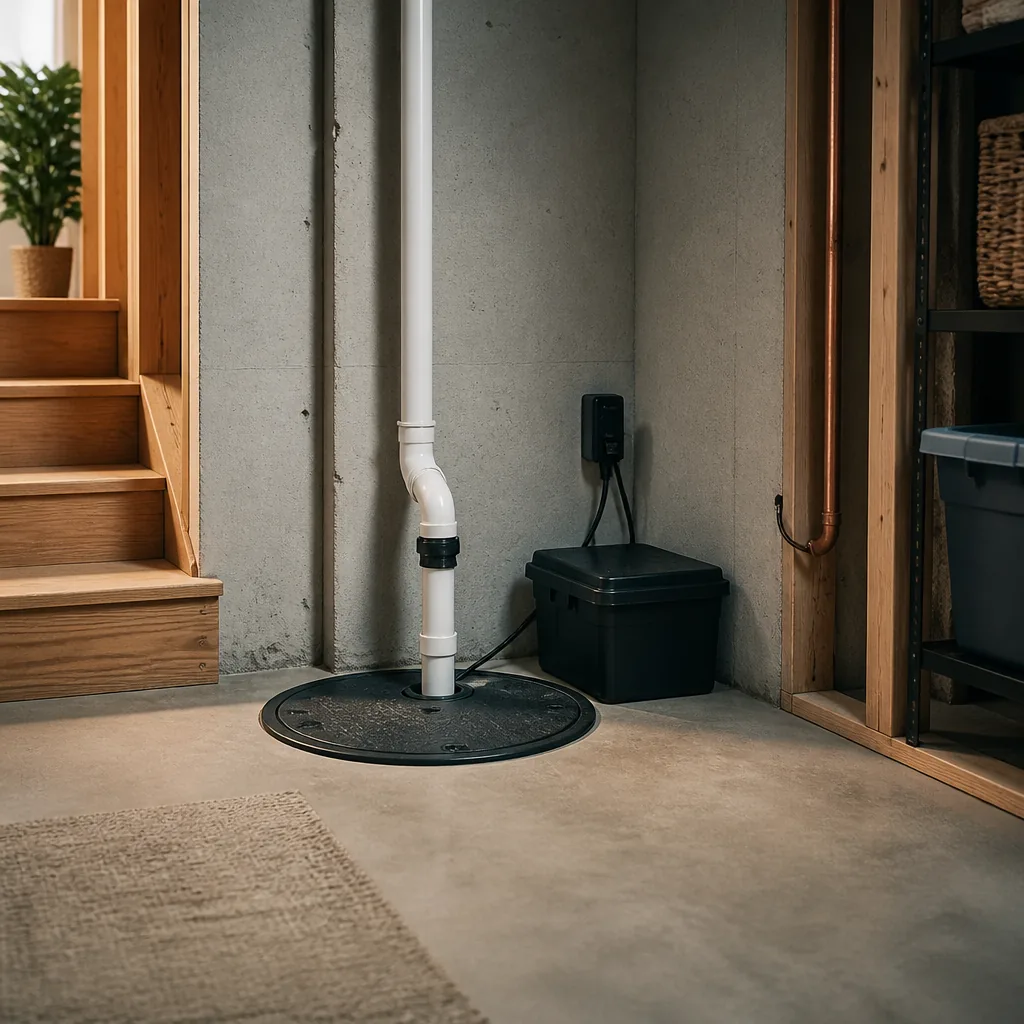
A backwater valve and a sump pump address different water pathways. A backwater valve helps limit reverse flow through a protected sewer line; a sump pump moves water collected in a foundation drainage basin. Neither device prevents every kind of basement water. The [backwater valve guide] and [sump pump guide] explain those distinctions and the limits of each device.
Utilities handle utility hazards
What if there is a gas smell or electrical hazard?
If you smell natural gas, hear a hissing sound near a gas line, or suspect a leak, leave the building and call Enbridge Gas from a safe location. Enbridge instructs customers not to operate electrical switches or devices inside while responding to a suspected gas leak. If there is immediate danger, call 9-1-1. Do not treat a plumbing appointment as the first response to a possible gas leak. Source: Enbridge Gas safety instructions(opens in a new tab)
If floodwater threatens a furnace, water heater, stove, outlet, cord, appliance, or electrical panel, do not enter the area to unplug or switch off equipment. Ottawa’s flood-safety guidance lists the relevant utility contacts and says the flooded area should not be entered until a qualified professional has determined it is safe. Follow the current instructions from the utility that serves the property. Source: Ottawa’s flood-safety contacts(opens in a new tab)
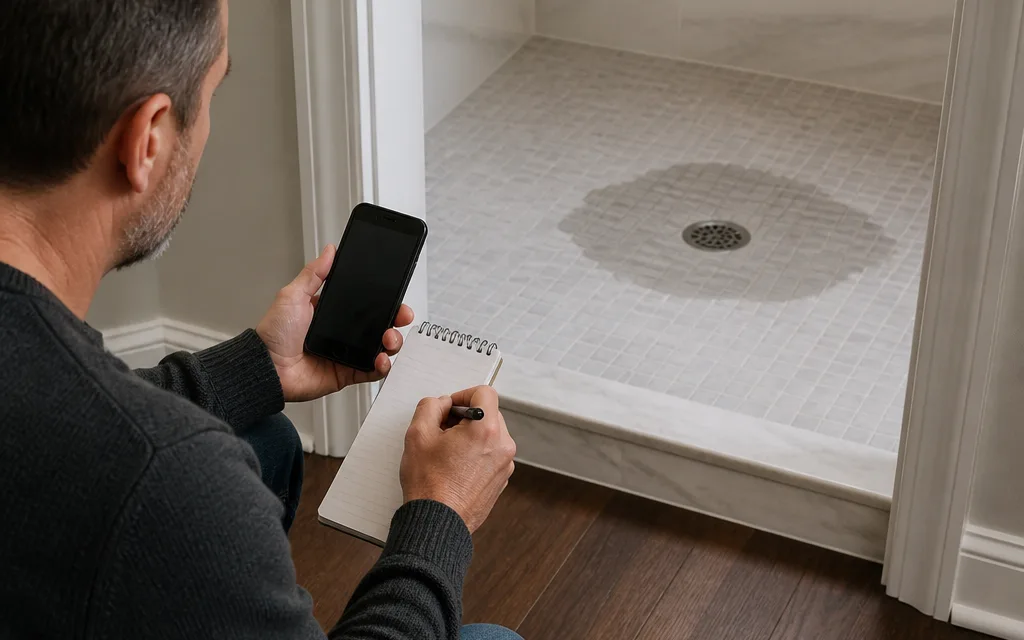
A plumbing issue can overlap with an electrical, gas, structural, or sanitation hazard. The appropriate authority may be a utility, emergency responder, City service, landlord, insurer, or plumber—and sometimes more than one. Do not wait for a routine callback if the situation is immediately unsafe.
Ottawa winter conditions
What should you do if water stops flowing in cold weather?
A frozen water service pipe can interrupt water to a home during severe, uninterrupted cold. The City advises affected residents to report a frozen municipal service pipe through 3-1-1 and provides instructions for preparing access to the indoor and outdoor shutoff for City crews. Check for a City notice, especially if the property has had a frozen service before. Source: City guidance on frozen water service pipes(opens in a new tab)
The City says never to use an open flame to thaw a frozen pipe. Its guidance describes safer warming approaches for a frozen section inside the home, but homeowners should stop if they cannot identify the location, the pipe is damaged, there is water near electricity, or they are unsure about the risk. A pipe may split while thawing, so know where the shutoff is only if it can be reached safely.
- Check whether the City has posted a planned interruption or issued a notice for the property.
- If the service pipe has frozen before or the City has contacted you, follow the City’s specific instructions.
- Do not use a torch, open flame, or improvised high heat on a pipe.
- If a pipe has burst, water is spreading, or electrical equipment is involved, treat it as an immediate safety situation.
- Ask the City or a qualified professional to identify whether the affected section is municipal or private before arranging repairs.
A frozen pipe, an interrupted City service, and an indoor plumbing failure can look similar at first. A City notice, affected neighbours, and the location of the service line may help clarify the next contact, but do not assume. The City’s own 3-1-1 service can advise about municipal water service interruptions and frozen service pipes.
Confirm the details before agreeing
How do you choose the right plumbing help in Ottawa?
When the hazard is controlled and you are contacting a plumbing provider, describe what you observed rather than diagnosing a cause. Ask whether someone is available for the type of problem, when they could attend, what the initial call or assessment costs, whether after-hours rates apply, and whether the provider will give a written scope before work begins. Availability and pricing vary by company and situation.
PlumbingNow publishes an Ottawa emergency plumbing service page(opens in a new tab) with its own service information. It is a separate provider and is included here as an external option to review, not as an endorsement, partnership, or guarantee of response time by Plumber Orleans. Confirm current availability, fees, service area, credentials, and the proposed work directly with any company you contact.
The Plumber Orleans website has not confirmed emergency dispatch or 24-hour availability. Do not use its request form for time-sensitive help. For a non-urgent concern, the request-preparation checklist can help organize the location, timing, and symptoms, and the service information page explains that the listed topics are examples rather than a confirmed service list.
Keep a clear record
What should you document after the immediate danger passes?
Once the location is safe, record when the problem began, where water appeared, what fixtures were being used, whether a shutoff was closed, and what the City or utility advised. Photograph damaged materials from a dry, safe location. Ottawa recommends documenting damaged items and keeping receipts for emergency and repair work; your insurer can explain which cleanup and claim steps apply to your policy. Source: Ottawa insurance and documentation guidance(opens in a new tab)
Keep any written estimate, authorization, invoice, permit, inspection document, and equipment manual together. If the source has not been determined, label your notes as observations rather than conclusions. This helps later conversations stay focused on evidence, especially when water damage could have come from a fixture, sewer, foundation drainage, frozen pipe, or outside runoff.
For general preparation—not urgent response—visit the homeowner guides index for the City-sourced flooding and water-system articles. The site’s FAQ explains what information and business details have been confirmed for Plumber Orleans.
Reduce avoidable surprises
How can Ottawa homeowners prepare before the next problem?
Preparation is most useful when it is specific to the property. Learn where the main water shutoff is while the area is dry, keep access clear, save the City’s 3-1-1 information, and know how to reach the insurer and the appropriate utility. Ask a landlord or property manager who is responsible for the building shutoff if you rent or live in a shared property.
- Keep the shutoff area accessible, but do not operate an unfamiliar or damaged valve just to test it.
- Review the City’s current advice for basement flooding and frozen service pipes before the season when those issues are more likely.
- Maintain a clear path to floor drains and known cleanout access without opening or modifying plumbing.
- Know which observations should prompt you to stop using water, leave the space, or call 3-1-1.
- Keep a short list of the property manager, insurer, City services, gas utility, electricity provider, and a qualified service provider.
A sump pump can help move water collected in a foundation drainage basin, while a backwater valve helps limit reverse flow in a connected sewer line. Neither is a universal flood solution. Read the sump-pump guide and backwater-valve guide to understand the difference, and follow the City’s official advice for the property. Water hardness and softening are separate from an active plumbing emergency; the Ottawa water-softener guide explains how supply type affects that decision.
Quick answers
Frequently asked questions
What should I do first in a plumbing emergency in Ottawa?
Protect people first. Leave any flooded area where electricity or gas appliances may be affected, call 9-1-1 for immediate danger, and shut water off only if the valve is safely reachable and familiar. For basement flooding, stop using water and follow Ottawa’s 3-1-1 guidance.
Should I call 3-1-1 for basement flooding?
Ottawa advises residents to avoid using water fixtures and appliances and contact 3-1-1 if the problem is not resolved. Do not enter a flooded area until a qualified professional has determined it is safe.
What should I do if I smell natural gas?
Leave the building and call Enbridge Gas from a safe location. Do not operate switches or electronic devices inside while responding to a suspected gas leak. Call 9-1-1 if there is immediate danger.
Can I shut off a burst pipe myself?
Only if you know where the main shutoff is and can reach and operate it from a dry, safe location. Do not enter water, touch wet electrical equipment, or force an unfamiliar or damaged valve.
What if a basement floor drain is backing up?
Stop using plumbing fixtures and appliances that send water to drains. Avoid contact with wastewater, do not open a sewer cleanout cap, and contact Ottawa 3-1-1 and qualified help for the situation.
Does Plumber Orleans provide 24-hour emergency plumbing?
Emergency dispatch and 24-hour availability have not been confirmed for Plumber Orleans. Do not rely on this site or its request form for urgent help; contact the appropriate emergency service, City utility, or a provider whose availability you confirm directly.
How can I find an emergency plumber in Ottawa?
Contact providers directly and confirm current availability, service area, response expectations, after-hours fees, qualifications, and the written scope before authorizing work. Online pages do not guarantee a visit or a particular response time.
Where to go from here
Bring your observations, not a guess.
Note where water appeared, when, and which fixtures were in use. Verify permits, rebates, and rules with the City of Ottawa, and ask a qualified professional what an assessment can and cannot establish. Confirm the project scope and scheduling directly before arranging work.
Checked references