
Sump Pumps in Ottawa: A Homeowner Guide
Understand what a sump pump does, safe checks to make before wet weather, Ottawa discharge guidance, backup power, and City rebate questions.
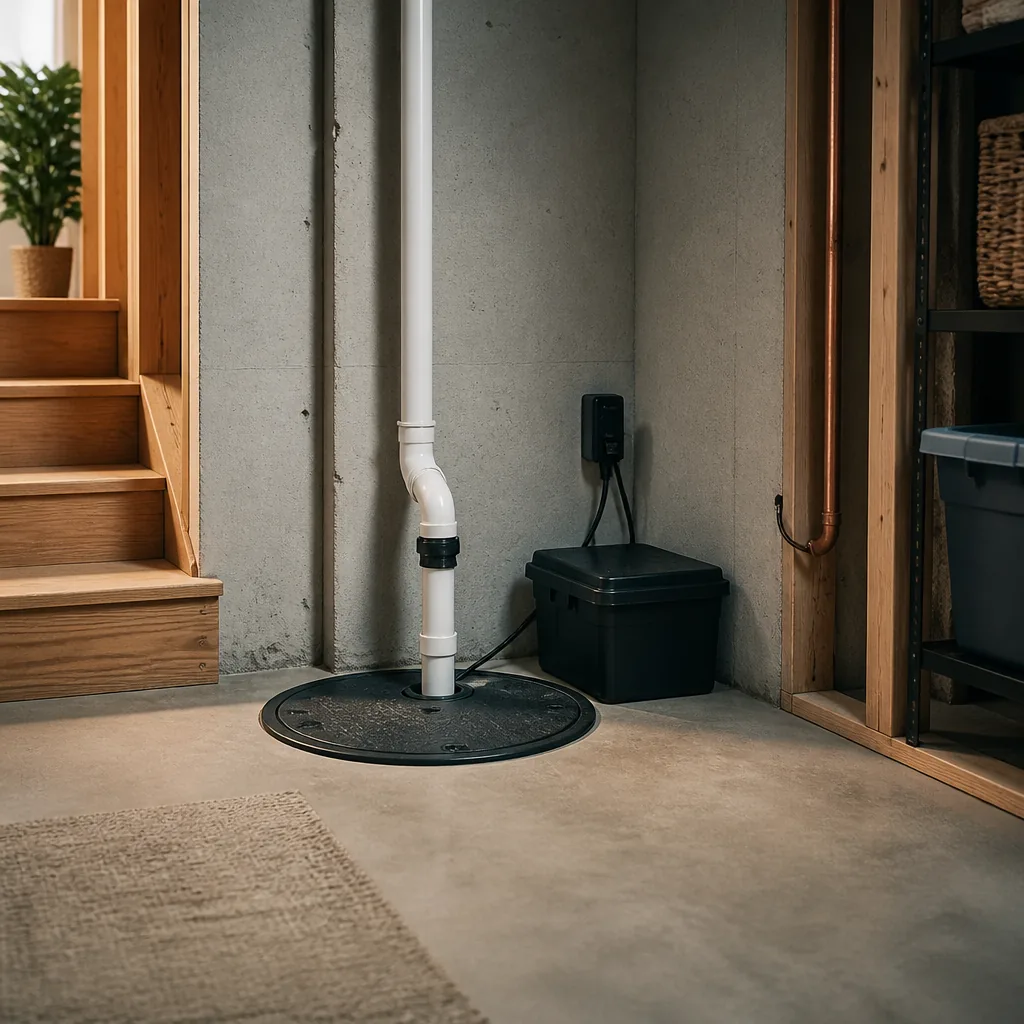
Sump pumps in Ottawa homes move water collected in a sump basin away from the foundation through a discharge line. A pump can help manage groundwater that reaches the pit, but it does not block sewage from reversing through a sewer or prevent every source of basement water. The right system depends on the home’s foundation drainage, water conditions, pit, discharge route, electrical supply, and backup plan. This guide explains safe homeowner checks, current Ottawa discharge guidance, and what to verify before selecting or relying on equipment.
Water in, water out
How does a sump pump system work?
A sump pit is a basin at a low point where water from foundation drainage can collect. As the water level rises, a float switch signals the pump to start. The pump moves water through a discharge pipe to an appropriate outlet. A check valve on the discharge line helps keep water from flowing back into the pit after the pump stops. Canada.ca(opens in a new tab) explains this basic system. The exact design, basin, pump capacity, and discharge route need to suit the property rather than a generic picture.
The pump is one part of a drainage system. The foundation drains, the pit, the float switch, the pump, the check valve, the pipe, and the discharge location all affect whether water can move as intended. If a pump runs constantly, cycles rapidly, makes an unfamiliar noise, or the pit rises while the pump is on, those are observations to report—not proof of a specific failed part.
- Foundation waterGroundwater collected by foundation drainage.
- Sump basinWater gathers in a pit at a low point.
- Float and pumpRising water lifts the float switch; the pump starts.
- Suitable dischargeWater moves out through the discharge line to an appropriate outlet, following current local rules.
The system begins with collected groundwater and ends at a suitable discharge point; a backup plan addresses a separate failure risk.
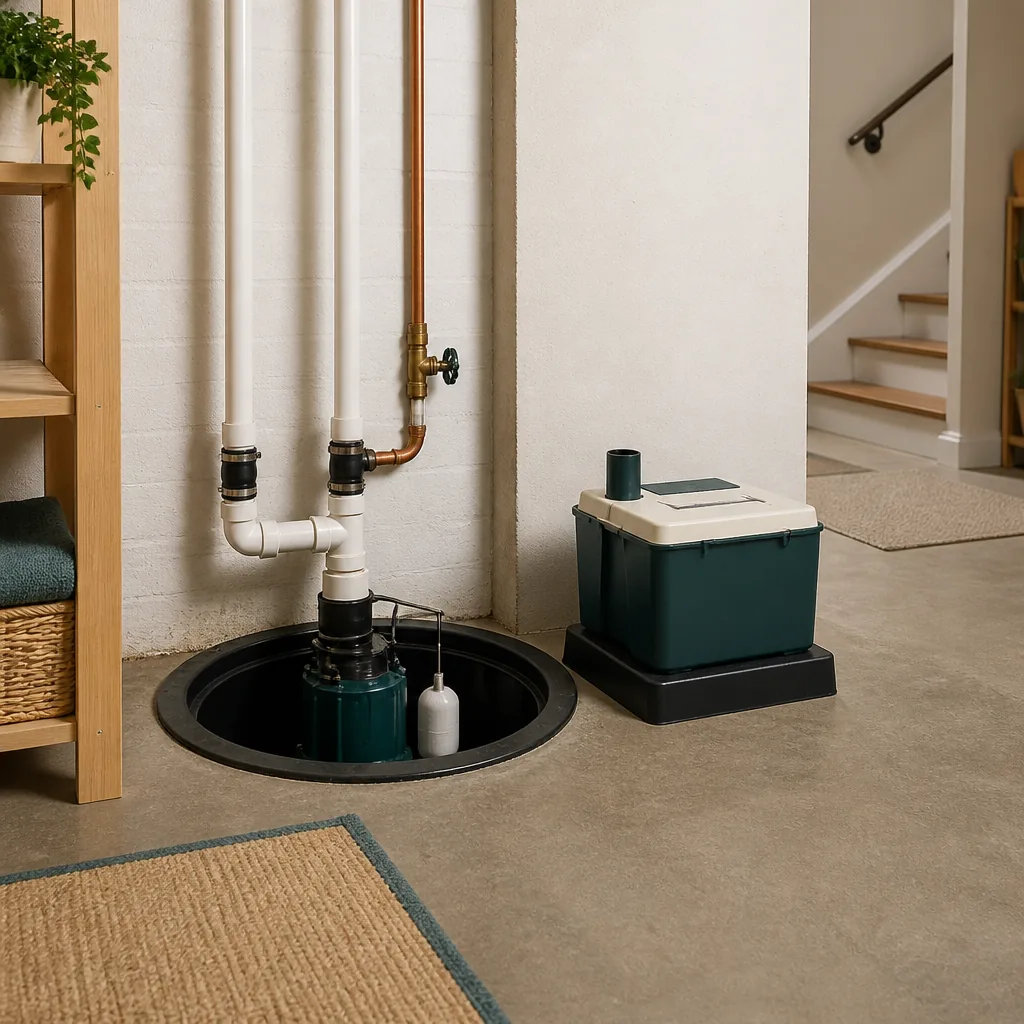
A sump pump is not interchangeable with a backwater valve. A sump pump handles water collected at the foundation drainage pit. A backwater valve helps limit reverse flow through a connected sewer line. A home may need to consider both devices, one of them, or other measures; the visible water pathway and plumbing layout determine the useful question. Read the separate backwater valve guide for the sewer-backup pathway.
Match the equipment to the risk
What can a sump pump help with—and what can it not do?
A sump pump can move water that reaches its basin, helping manage groundwater collected by foundation drains. It cannot draw water through every crack or stop water coming through a window, a floor drain, or a sewer connection. It also cannot operate normally if power, the float switch, the pump, the discharge line, or another essential part fails.
The Government of Canada(opens in a new tab) notes that some homes may not need a sump pump when grading and foundation drainage already prevent water from accumulating around the foundation. A pump can be useful where water-table conditions or existing drainage do not move water away effectively. That is a property-specific assessment, not a conclusion that can be made from a neighbourhood name or a single photo.
- A pump does not prevent a municipal sewer from surcharging into a connected floor drain.
- It does not repair a foundation crack or seal a window well.
- It does not correct a downspout or grading problem by itself.
- A battery unit does not guarantee unlimited pumping time or protection if the battery, pump, controls, or discharge fail.
- A pump that is present but untested should not be assumed ready for a storm.
The City of Ottawa’s basement-flooding guidance(opens in a new tab) recommends keeping foundation drainage directed to the storm sewer or a sump pump, not the sanitary sewer. It also lists other property measures such as keeping water away from the foundation and maintaining protective plumbing devices. A pump should be considered within that larger picture, not as a stand-alone guarantee.
Ottawa and federal guidance
Where should a sump pump discharge in Ottawa?
The discharge route matters. Ottawa currently advises(opens in a new tab) that a sump pump should connect to the storm sewer or discharge to the ground at least 1.2 metres from the foundation. The Government of Canada says(opens in a new tab) the outlet should be at least 1.5 metres (5 feet) away if possible and preferably in an area with good drainage. Those recommendations are not identical; follow current municipal rules and a site-specific drainage plan rather than treating one number as permission for every lot.
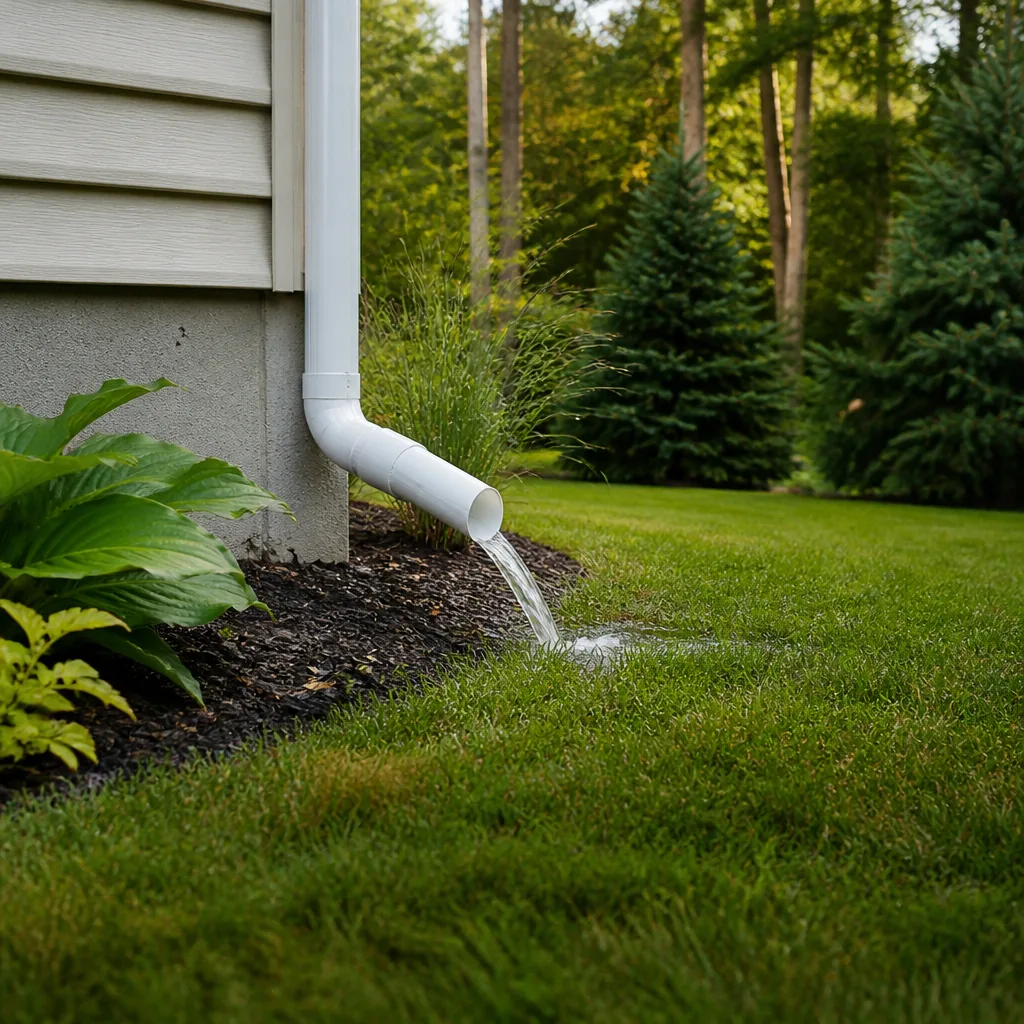
Water that is discharged too close to a foundation can return toward the building or affect adjacent property. A route may also be obstructed by snow, ice, leaves, landscaping, or a frozen outlet. Do not extend or redirect piping in a way that creates a trip hazard, sends water onto a walkway or neighbour’s lot, or conflicts with local requirements. Ask a qualified professional if the route is buried, shared, damaged, or not easy to identify.
The City also advises maintaining protective plumbing devices according to manufacturer instructions and keeping access covers and cleanout caps secure. If water appears around a sump pit or discharge pipe, take a photo only from a safe, dry location and record whether the pump was running. Do not touch electrical equipment in a wet area.
A cautious seasonal routine
What can homeowners check before wet weather?
The Government of Canada recommends(opens in a new tab) testing a pump at least once a year and checking it during and after rainfall, rapid ice melt, snowmelt, and power interruptions. If the manufacturer’s instructions permit a homeowner test and the area is dry and safe, a small amount of water poured into the pit can show whether the float activates and the pump starts. If there is standing water near electrical equipment, sewage, an exposed wire, a loose cover, or any uncertainty about safety, do not enter or test the area.
- Read the model’s manual and identify any test steps that are intended for the homeowner.
- From a dry, safe position, check that the pit cover is secure and the area around it is clear.
- Look for obvious exterior discharge blockage or a pipe outlet that points back toward the foundation.
- If a safe test is allowed, observe whether the float moves and the pump starts without touching electrical parts.
- Check the battery or backup equipment using the manufacturer’s instructions; do not assume a status light proves the whole system works.
- Record unusual sounds, repeated cycling, water remaining in the pit, or a backup alarm, then ask a qualified professional what to do.
A pump can fail because water arrives faster than it can be removed, a float does not move freely, the discharge path is blocked, the check valve is not working, the power is interrupted, or equipment is near the end of its service life. A homeowner’s observation helps narrow the conversation, but diagnosis and electrical work belong to qualified people.
Plan for more than one failure
Why consider backup power or a second pump?
A sump pump depends on electricity. If power is interrupted during a storm, a standard pump may stop even while water continues to reach the pit. Federal guidance(opens in a new tab) recommends an alternate power source and a backup pump, while noting that systems differ and that the backup must be tested according to its setup. Battery capacity, charging condition, pump compatibility, discharge height, and water inflow all affect how long a system can operate.
A backup is not the same thing as a guarantee. A depleted battery, failed float, clogged line, mechanical fault, or water inflow beyond the system’s capacity can still lead to a problem. Ask whether a secondary pump uses a separate power source, how an alarm works, how the battery is maintained, and what the estimated runtime means under the specific conditions of the home.
If you are comparing a primary pump replacement with a new pit or a backup system, request a written explanation of what is changing and why. Avoid choosing equipment by horsepower or brand alone. The property’s drainage, water conditions, discharge route, power supply, and any City program requirements are part of the decision.
Verify before authorizing work
Does Ottawa offer a sump-pump rebate?
The City of Ottawa’s Residential Protective Plumbing Program(opens in a new tab) lists rebates for some qualifying sump-pump installations. The current table includes a primary or secondary sump pump with battery backup power in an existing pit, and a primary or secondary pump with battery backup or a whole-home generator in a newly constructed pit. The City says the rebate is the lesser of the published maximum and the eligible work cost. Property and project eligibility, permits, inspection, documentation, and application deadlines still apply.
| Qualifying sump-pump work listed by Ottawa | Published maximum |
|---|---|
| Primary pump with battery backup in an existing pit | $1,500 |
| Secondary pump with battery backup in an existing pit | $1,500 |
| Primary or secondary pump in a newly constructed pit | $3,000 each |
The City program page(opens in a new tab) says maintenance, repair, and replacement of existing protective plumbing devices are not rebate-eligible. It also has a timing inconsistency: an update states an 18-month period effective July 1, 2026, but a later step still refers to 12 months. Do not rely on either period without checking with the City. Confirm the correct application deadline, permit and inspection steps, eligible equipment, and documents before committing to a project.
The City’s published work requirements refer owners to licensed professionals, and a whole-home generator connection may involve additional electrical review. A plumbing rebate does not replace permit or electrical requirements. The City—not a contractor or a guide—determines whether a particular application qualifies.
A better service conversation
Questions to ask about a sump-pump installation or repair
- What water source is the existing pit intended to manage?
- Is the pit, pump, float, check valve, and discharge route working together as intended?
- Where will discharged water go, and what Ottawa requirement applies to this property?
- What power source does the primary pump use, and what happens during an outage?
- What does the backup system do, and how should its battery or generator connection be tested?
- Which permit, inspection, and rebate paperwork applies to the proposed scope?
- Which work and materials are included in the estimate, and what could change the scope?
For service-provider information on sump pumps Ottawa(opens in a new tab) homeowners may be considering, Lister Plumbing describes its installation scope online. A service page cannot confirm availability for your address or establish that a described system is right for your home. Ask the company directly about scope, timing, costs, and warranty terms.
For a local request, the Plumber Orleans site is focused on Orléans and Ottawa. Review the service information and coverage information to prepare your questions, then confirm your project’s specific scope, scheduling, and address directly.
If you are preparing a message, the site’s request checklist can help you record what you observed without sharing access codes or other sensitive details. Keep the description factual: where water appeared, whether the pump ran, what you heard, and whether the outlet seemed clear from a safe location.
Quick answers
Frequently asked questions
How often should I test my sump pump?
Canada.ca recommends a full pump test once a year and checking the system during and after rainfall, snowmelt, rapid ice melt, and power interruptions. Follow the manufacturer’s instructions and do not test equipment in a wet or unsafe area.
How far should the discharge pipe be from my foundation?
Ottawa currently says(opens in a new tab) at least 1.2 metres from the foundation, while Canada.ca says 1.5 metres if possible. Confirm the applicable local requirement and a safe drainage route for your property.
Does a sump pump prevent sewer backup?
No. A sump pump moves water collected in a sump basin. A backwater valve helps limit reverse flow through a connected sewer line. They address different water pathways.
Is a battery backup enough to protect a basement?
No single backup guarantees that a basement will stay dry. Battery condition, pump compatibility, water inflow, the float, discharge route, and maintenance all matter.
Does Ottawa provide a sump-pump rebate?
The City lists rebates for certain qualifying sump-pump installations, with conditions tied to the property, equipment, permits, inspections, and documents. Check the current City program page because rules and application timing can change.
Can I test a sump pump myself?
Only if the manufacturer’s instructions permit it and the area is dry and safe. Do not enter standing water or touch electrical equipment in a wet area; ask a qualified professional if the setup is unclear.
Where to go from here
Bring your observations, not a guess.
Note where water appeared, when, and which fixtures were in use. Verify permits, rebates, and rules with the City of Ottawa, and ask a qualified professional what an assessment can and cannot establish. Confirm the project scope and scheduling directly before arranging work.
Checked references
Sources
- City of Ottawa: How to prevent basement floodingottawa.ca(opens in a new tab)
- City of Ottawa: Residential Protective Plumbing programottawa.ca(opens in a new tab)
- City of Ottawa: Residential Protective Plumbing By-law No. 2025-89ottawa.ca(opens in a new tab)
- Government of Canada: Sump pumpscanada.ca(opens in a new tab)
- Government of Canada: Backwater valvescanada.ca(opens in a new tab)
- Lister Plumbing: Sump Pump Installation Ottawalisterplumbing.ca(opens in a new tab)